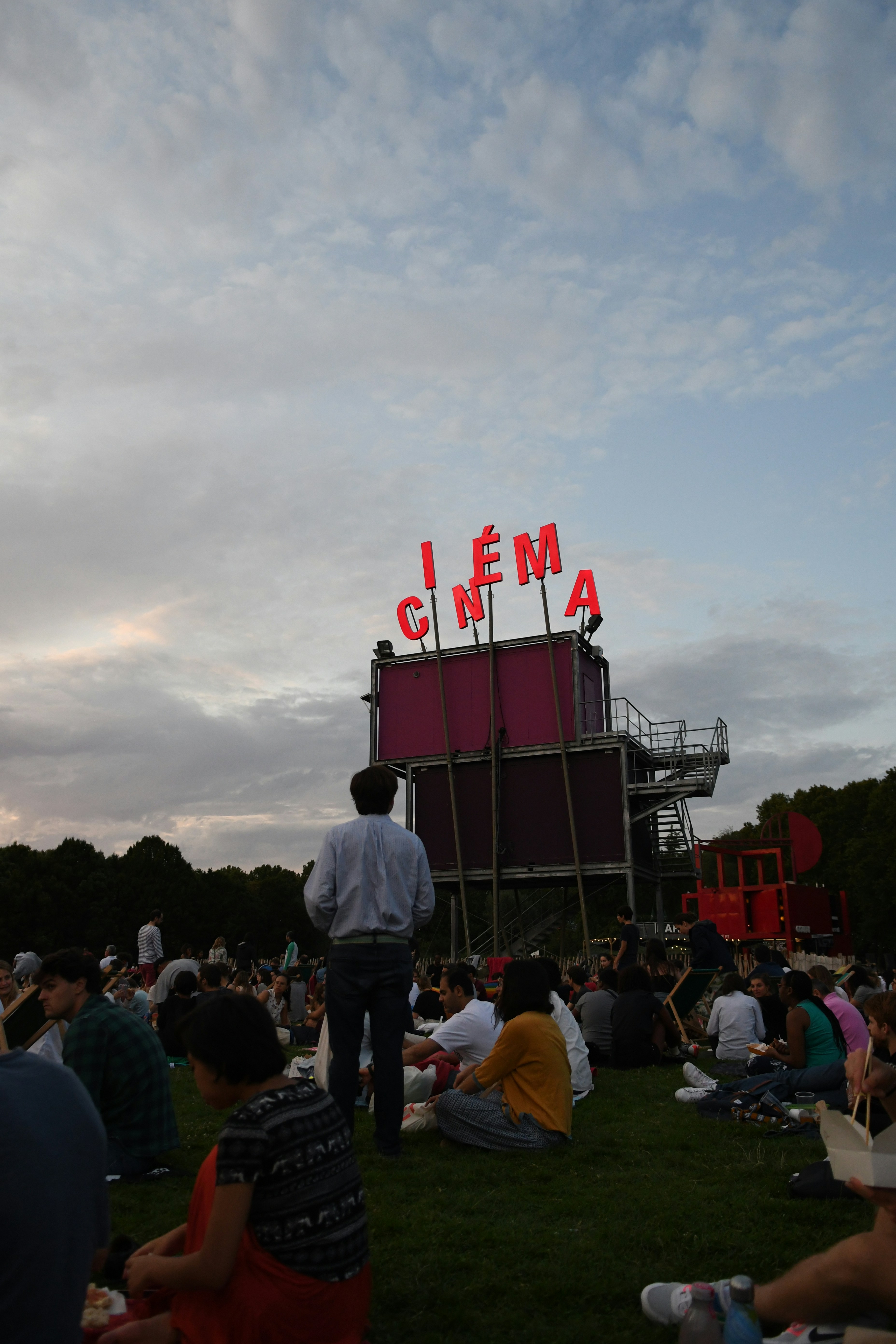
7 Ways to Make the Most of a Festival Run
Making the most of a festival run isn't just about collecting laurels and posting a few photos. It's a strategic phase in your film's life cycle that can open doors, build your reputation, and set up your next project. Below is a detailed guide to help you shape a smart, purposeful, and enjoyable festival run, plus a real-world example and common Q&A at the end.
1. Start With Clear, Measurable Goals
A successful festival run doesn't happen by accident. It starts with a plan.
Before you submit to a single festival, get specific about what you actually want to achieve. Common goals include:
Distribution: Finding a sales agent or distributor.
Industry connections: Meeting producers, financiers, collaborators.
Audience building: Growing a fan base and social following.
Career momentum: Awards, reviews, and prestige to help your next project.
Regional impact: Reaching specific communities or markets.
The answer to that question should shape every decision you make. Turn your goals into measurable targets, for example:
"Secure at least 3 meaningful meetings with distributors or sales agents."
"Play 5–10 festivals in regions where we'll later release the film."
"Get at least 3 published reviews or interviews."
These goals will guide where you submit, how you spend, and how you show up at each event. Set a clear end date too, so you're working within defined boundaries rather than drifting through the run without direction.
2. Build a Realistic Festival Budget
Festival runs can become unexpectedly expensive. Plan a total circuit budget early and stick to it. Include:
Submission fees
Travel (flights, trains, car rental, gas)
Accommodation
Food and local transport
Marketing materials (postcards, posters, banners)
Press and PR (if hiring a publicist)
Contingency (10–20% buffer for surprises)
A few practical tips:
Prioritize Early Bird deadlines and strategically chosen festivals over mass submissions.
Decide in advance which festivals you'll attend in person and which you'll support remotely.
Track all expenses in a simple spreadsheet; this helps you learn for your next film and shows investors you're disciplined.
One thing worth building into that budget: travel to two or three festivals, particularly if you're selected for something that's Oscar or BAFTA qualifying. Being there as the filmmaker makes a real, tangible difference to the outcome of your screening. More on that in section five.
3. Design a Smart Festival Strategy and Timeline
Think of your festival run like a release campaign, with a beginning, middle, and end.
Choose the right mix of festivals
Prestige / A-list: Major international festivals that can deliver huge visibility and press, but are very competitive.
Strong regional / genre festivals: Mid-sized or specialized events (horror, LGBTQ+, doc, animation, etc.) that attract the exact audience and industry you need.
Smaller local festivals: Great for building word-of-mouth, winning awards, and filling your laurels page.
A "split strategy" works well for many filmmakers: submit to a few large prestige festivals while also targeting smaller, well-curated ones where you're more likely to stand out.
Being deliberate about which festivals you choose matters more than most filmmakers realize. On Think of England, a film I worked on as a producer of marketing and distribution, every selection was chosen specifically to reach the audiences most likely to connect with the film. That intentionality paid off in ways that a scattergun approach never would have.
Protect your premiere
Many top festivals require specific premiere status (world, international, national, or regional). To avoid disqualifying yourself:
Map out your desired premiere hierarchy (e.g., aim for a world premiere at a major festival, then national premieres at strong regional ones).
Don't screen publicly in a territory before a bigger festival that needs that premiere slot.
Once your premiere is locked and announced, use that momentum when approaching other festivals.
Set an end date
Decide how long your run will last (e.g., 12–18 months) and when you'll pivot to:
Digital release
Broadcast or streaming
Educational or community screenings
This prevents the run from dragging on without strategic value and keeps your team focused.
4. Prepare Strong Materials Before You Submit
Good materials can be the difference between a programmer hitting "yes" or "pass," and they're also what you'll use to market the film throughout the run.
Essential materials:
Festival-ready cut: Lock picture and sound before submitting; no half-finished versions.
Synopsis (short and long): A logline (1–2 sentences) and a concise synopsis (under ~500 words) focusing on conflict and emotional stakes.
Director's statement: Why this story matters, and why you're the one to tell it.
Trailer: Engaging, usually under 2 minutes, tailored to capture programmers and audiences.
Key art / poster: Clear, eye-catching, and consistent across platforms.
Press kit (EPK): High-res stills, cast and crew bios, production notes, contact info and social handles.
For submissions:
Personalize cover letters and descriptions to each festival's tastes.
Highlight any relevant themes or previous films that align with their programming history.
Once you're selected, these same materials are what press and festivals use in their marketing, so quality here pays off many times over.
5. Show Up and Network Intentionally
If you can attend, attend. Being on the ground is often where the most valuable outcomes happen.
I've never heard anyone say they regretted attending a festival they were selected for. Every single time, filmmakers come back having met someone who opened a door to a new opportunity. In fact, the filmmakers who weren't attending festivals early in their careers almost always say the same thing once they start: I should have been doing this from my very first short film. The value of that in-person presence far exceeds the cost of a flight and a hotel room.
At the festival
Go to networking events and mixers: Introduce yourself to programmers, other filmmakers, and industry guests.
Prepare a 30-second pitch: Be able to clearly explain your film and your goals in half a minute.
Bring business cards and postcards: Include title, key art, logline, website, and contact information.
Attend other screenings and panels: You'll learn a lot, and supporting other filmmakers builds goodwill and relationships.
Ask about press opportunities: Many festivals can connect you to attending journalists, podcasters, or local media.
Focus on genuine connections rather than handing out cards to everyone. A few meaningful conversations are more valuable than dozens of shallow ones.
Q&As and audience interaction
If there's a Q&A after your screening:
Keep answers thoughtful but concise.
Share one or two specific production stories rather than vague generalities.
Talk briefly about what's next for the film (more festivals, upcoming release) and where people can follow you.
After the screening, hang out in the lobby or outside. This is often where you meet potential collaborators, future supporters, and even buyers.
6. Keep Your Marketing Fresh Throughout the Run
Your festival run is also a live marketing campaign. Treat it that way.
Update materials after each major festival
Add new laurels to your poster and website.
Include notable awards and nominations.
Add quotes from reviews or audience reactions (with permission).
Use social media strategically
Announce selections, award wins, and screening times with polished visuals.
Share behind-the-scenes content, travel stories, and photos from Q&As.
Use official festival hashtags and tag the festival, venues, and partners.
Encourage your cast and crew to post about the film.
Leverage local press at every stop
This is one of the most underused levers in a festival run, and one of the most effective. For the UK premiere of Think of England, the team got cast and crew to the screening, reached out to local newspapers and radio, connected with Edinburgh-based podcasters, and recorded a podcast while they were up there. That approach didn't just generate online exposure. It created real press momentum, which kept the film visible and made it a stronger candidate for upcoming festival selections.
If you get press coverage through reviews, interviews, or profiles:
Share those links across your channels.
Mention them when submitting to later festivals ("Recently premiered at X, with coverage in Y...").
The goal is to show a living, evolving story around your film, which makes it more compelling to both festivals and future audiences.
7. Take Care of Yourself and Your Team
Festival runs can be exhilarating, but also exhausting and emotionally draining.
Practical self-management:
Pace yourself: You don't need to attend every party. Pick key events and schedule downtime.
Stay physically comfortable: Good shoes, layered clothing, water, and snacks make long days bearable.
Set expectations: Not every screening will be full, not every festival will yield career-changing contacts, and that's okay.
Share the workload: If possible, send different team members to different festivals and split tasks (press outreach, social media, scheduling).
Debrief after each event: What worked? Who did you meet? Where did the film connect most strongly with audiences?
A sustainable approach ensures you can stay positive, present, and professional throughout the entire run.
Real-World Example: "Small Town, Big Dream" (Fictional Case Study)

Imagine an indie feature called "Small Town, Big Dream", a character-driven drama about a young musician trying to revive a dying local music scene.
Goals
The team defines these goals:
Secure a respected world premiere to attract reviews.
Play at music-focused and regional festivals where the subject matter resonates.
Use the run to build a following for the eventual digital release.
Strategy
They:
Aim for a world premiere at a mid-tier but well-regarded regional festival known for music-themed films.
Line up a second wave of submissions to music and arts festivals across North America and Europe.
Allocate budget to attend 5–6 strategically chosen festivals in person.
Materials and attendance
Before submitting, they prepare:
A strong trailer highlighting live performance scenes.
A director's statement about preserving local culture.
Clean key art that evokes both music and small-town life.
A detailed EPK with photos of local venues featured in the film.
They premiere at their target festival, earning a positive review from a regional outlet and a "Best Narrative Feature" audience award. The team attends networking events, meets programmers from other festivals, and connects with a small distributor specializing in music-related films.
They then:
Add laurels and the review quote to their materials.
Use social media to announce the win and share photos of packed screenings and Q&As.
Leverage the award and press when submitting to additional festivals, securing more acceptances.
By the end of a year-long run, "Small Town, Big Dream" has:
Played at 9 festivals across 4 countries.
Won 3 audience awards at smaller festivals.
Built a modest but passionate fan base, leading to a limited theatrical run and a later streaming deal.
This wasn't a Cannes-level fairy tale, but it was a successful, strategic festival run that advanced the filmmaker's career and gave the film a meaningful life.
Common Questions and Answers
Q1: How many festivals should I submit to?
There's no magic number. Focus less on quantity and more on fit and strategy. For many indie features, 10–30 targeted submissions across a mix of prestige, regional, and niche festivals is more effective than hundreds of unfocused submissions.
Q2: Is it worth attending smaller festivals?
Yes. Smaller festivals often provide:
Better access to programmers, press, and audiences
Higher chances of winning awards
Deeper networking with peers
They might not have massive media presence, but they can meaningfully boost your laurels, confidence, and connections.
Q3: What if my film doesn't get into top-tier festivals?
That's extremely common. A festival run can still be successful through:
Strong mid-tier and regional festivals
Genre festivals that love your specific kind of film
Building momentum through awards and audience buzz at smaller events
Prestige is one path, but not the only one.
Q4: Should I hire a publicist for my festival run?
A publicist can help at bigger festivals or around your premiere, especially if you have recognizable cast or a high-profile subject. For many micro-budget films, it's more cost-effective to:
Do basic press outreach yourself
Coordinate announcements and press releases
Leverage the festival's own media contacts
If you do hire a publicist, be clear about goals (reviews, interviews, visibility) and timeline.
Q5: How do I handle premiere requirements?
Before submitting:
Check each festival's premiere rules (world, international, national, regional).
Decide your desired hierarchy and build a submission plan around it.
Avoid public screenings or online releases that could conflict with your target premiere.
If in doubt, email the festival. They are usually happy to clarify.
Q6: How do I make the most of Q&A sessions?
Prepare for common questions about budget, casting, and inspiration.
Keep answers engaging and specific, not overly technical or long-winded.
Use one question to briefly mention next steps (future screenings, release plans, website or social).
Thank the audience and invite them to connect afterward.
Q7: When should I end my festival run?
End when:
You've achieved most of your key goals, or
Audience and press momentum has plateaued, and
A distribution or release opportunity is ready (digital, broadcast, educational).
Many features run festivals for 12–18 months, but your timeline should match your strategy and resources rather than an arbitrary standard.

