
7 Ways to Make Your Film Project More Attractive to Investors
Before diving into strategy, it's important to clarify something many filmmakers overlook: investors think differently about short films versus features. With short films, investors are rarely expecting a financial return. They're investing in you as a filmmaker and your potential. They're buying into your career trajectory, your future projects, and the prestige or experience of being involved: coming to premieres, seeing their name on the credits, that kind of thing. For features, it's a completely different game. The focus shifts to the numbers: how you're mitigating risk, how realistic your recoupment plan is, and whether your deck shows a clear, data-driven path to return on investment.
This insight comes from having been pitched to as an executive producer on over a hundred films, and having raised money for both shorts and features. I've seen firsthand what works and what doesn't. Below are seven high-impact strategies to make your film project stand out to investors, supported by recent industry sources.
1. Create a Compelling Film Pitch Focused on the Business
Your pitch deck needs to balance creative vision with commercial reality. While it should include your logline, synopsis, and visual style, investors care most about the financial mechanics of your film. Your pitch should cover:
Budget breakdown showing where every dollar goes and demonstrating fiscal responsibility.
Financing structure detailing how much you're raising, what funding is already secured, and how investor capital fits into the overall stack.
Distribution and marketing strategy outlining your path to market, including target distributors, sales agents, festival strategy, and promotional plans.
Revenue streams and projections showing realistic income from box office, streaming, licensing, international sales, and ancillary rights.
Recoupment plan with a clear waterfall structure that shows when and how investors get paid back.
As an executive, our decisions are driven by risk assessment and numbers: what's the likely sales value, what's the gap, how can we reduce exposure. Your pitch needs to answer these questions with clarity and realism. The creative elements matter, but they should support the business case, not replace it.
2. Hire Recognizable Talent
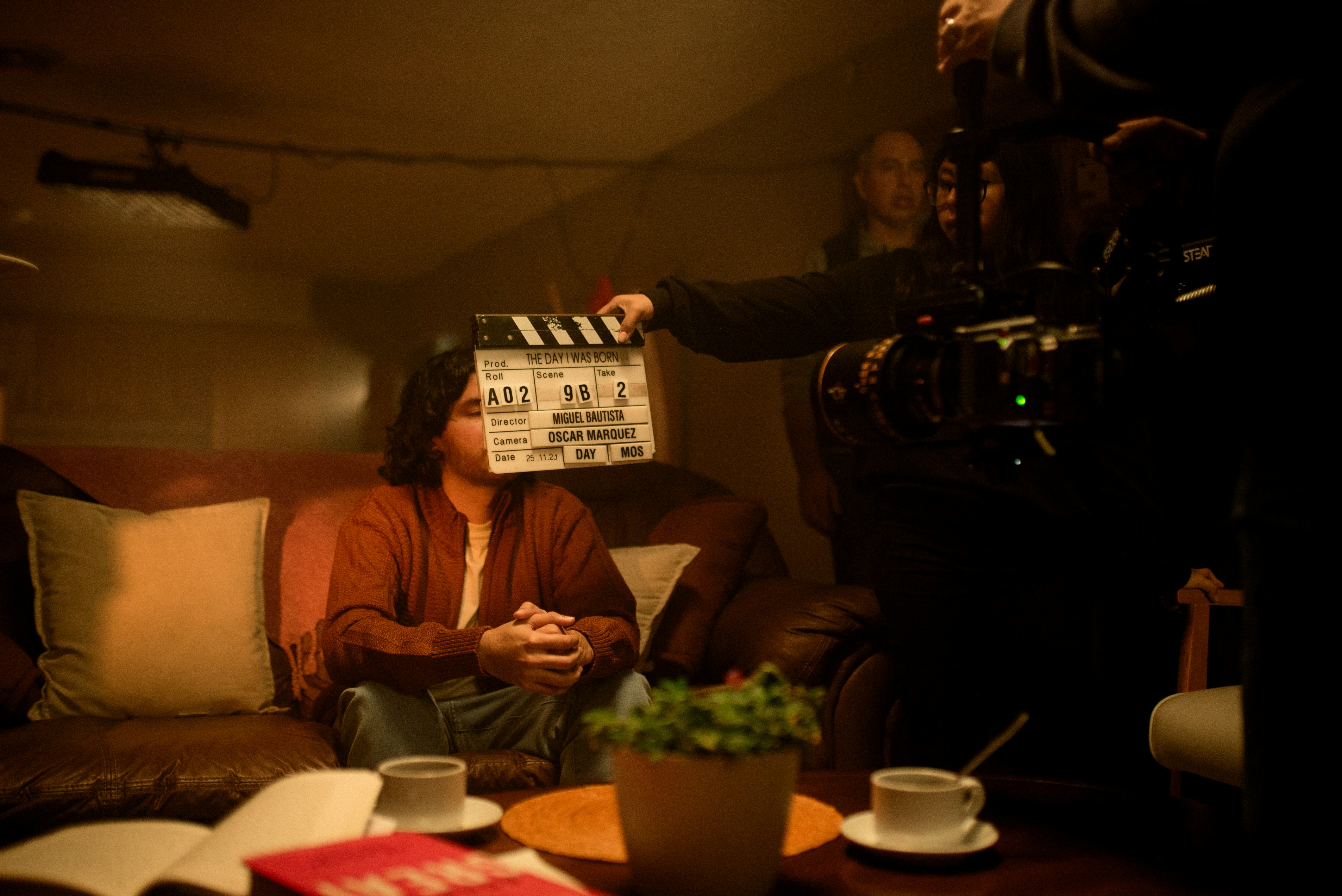
Having a cast or crew member with industry recognition is a strong indicator that your project is marketable. This could be:
Well-known actors, who draw public and media attention.
A celebrated director, known for box office or festival success.
Experienced producers with a track record of delivering on time and on budget.
High-profile talent not only attracts attention but can also make it easier to gain sales agents, distributors, and further financing. Sometimes, even a supporting actor with a strong following can shift the perception of your project's commercial likelihood.
Take Louisa Connolly-Burnham as an example. She's excellent at raising money for short films, and part of her success comes from attaching credible, award-winning talent to her projects. Combined with strong communication with investors and securing press coverage in outlets like Variety, this combination of visibility and credibility makes her projects magnetic.
3. Demonstrate Market and Audience Appeal
Convince investors your film has an audience ready to engage. Tactics include:
Showcasing successful projects in your genre or comparable markets.
Presenting data from awards, prior releases, social media engagement, or crowdfunding campaigns as evidence of demand.
Highlighting partnerships (for example, with online communities or influencers) to ensure audience reach.
Explicitly linking your project's subject, cast, or style to market trends helps de-risk the proposition for investors.
4. Secure Development Funding or Early Distribution Deals
Commitments from third parties before you complete your finance stack signal to private investors that you have both industry relationships and proven project merit. This can mean:
Remittances like grants from film institutes, soft money (tax credits), or co-production agreements.
Letters of intent or partnership agreements from a distributor or sales agent, showing that your film has prospects for getting to market.
Pre-sale deals or minimum guarantees offer clear evidence of market demand and can significantly decrease perceived risk.
5. Assemble an Experienced Team

A strong, reliable team adds to an investor's peace of mind. Consider:
Assembling department heads (production, cinematography, editing, sound, etc.) who have experience with the scale of your project.
Citing team members' achievements, festival runs, or credits on successful previous films.
Demonstrating that your team understands both creative challenges and logistics, from permitting to post-production.
If you haven't yet secured your full team, show investors your plan to attract experienced heads of department. Outline the profiles you're targeting, any conversations already underway, and how your budget allocation will enable you to hire at the level needed. This demonstrates forward planning and realistic thinking about production requirements.
Highlighting your team's credentials not only builds confidence in delivery, but also helps investors believe in ongoing risk management.
6. Prepare Strong Pitch Materials
To stand out and make your project easy to visualise, your package should include:
A concise pitch deck, with key details (logline, synopsis, visual style, team, budget, audience strategy).
A "sizzle reel" or proof-of-concept video (even 1-2 minutes from relevant prior work, casting calls, mood footage, or animated storyboards) that brings the narrative and visual ambition to life.
Visual branding (poster mock-ups, style frames, social media pages) that communicates your vision and professional polish.
These tools excite prospective investors and make your vision tangible. But here's something critical: don't rely on them as a crutch. Some of the strongest pitches I've ever seen were just filmmakers telling their story directly. No deck, no notes, just conviction and clarity. Investors ultimately invest in people, not PowerPoints. Practice your delivery until you can pitch confidently without slides. If you can talk about your film freely and passionately, you'll stand out far more than someone reading bullet points off a screen.
7. Embrace Staged Financing and Offer Attractive Terms
Not all investors want to commit everything up front. Options to reduce risk and incentivise investment include:
Offering staged financing: allowing investors to fund development, pre-production, production, and post-production in phases, with checkpoint reviews.
Providing attractive terms like preferred equity, producer credits, back-end participation, or tax-incentivised investment structures.
Ensuring clarity on exit strategies, distribution waterfalls, and reporting, showing investors you take their capital stewardship seriously.
Staged and flexible investment models lower entry barriers and make it easier for hesitant investors to participate.

Common Questions & Answers
What do film investors look for?
Clear financial returns, marketable talent, strong business plan, and evidence of demand.
How much can an investor expect to make?
Returns vary widely but can include premiums, producer and rights fees, and a share of profits.
Do recognizable actors make a difference?
Yes. Known talent increases project value and attracts distributors, making investment less risky.
What risks are there for film investors?
High risk of loss, delayed returns, but risk mitigation comes from staged financing and proven teams.
Should I get distribution commitments first?
If possible, yes. Letters of intent greatly improve your project's investment profile.
What's a proof of concept?
A video or reel that demonstrates your project's style and potential, used to excite investors.
How do staged investments work?
Funding is released in phases, reducing risk if project milestones aren't met.
Real World Example: Pressman Films
Pressman Films' recent development slate on Republic provides a template for successful film investment. Investors contribute to development and, when production begins, receive their initial investment plus a premium (like $120k back from a $100k investment at the production start). Once completed, additional profits and production fees are shared, with a preferred return structure ensuring investors are paid before the producers earn profits. This model highlights staged financing, transparency, and incentive alignment: exactly what makes a film project attractive to investors.
Final Thoughts
The key to attracting investors is tailoring your pitch to their mindset. For short films, lead with emotion and vision. For features, lead with business logic and data. Show them you understand the difference, and you'll immediately set yourself apart from filmmakers who treat every pitch the same way. Master your story, know your numbers, and remember: investors back people they believe in, not just projects that look good on paper.

