6 Behind-the-Scenes Content Ideas That Double as Film Marketing
6 Behind-the-Scenes Content Ideas That Double as Film Marketing
Behind-the-scenes content has moved well past "bonus feature" territory. For filmmakers today, it's one of the highest-return marketing strategies available — and one of the most underplanned.
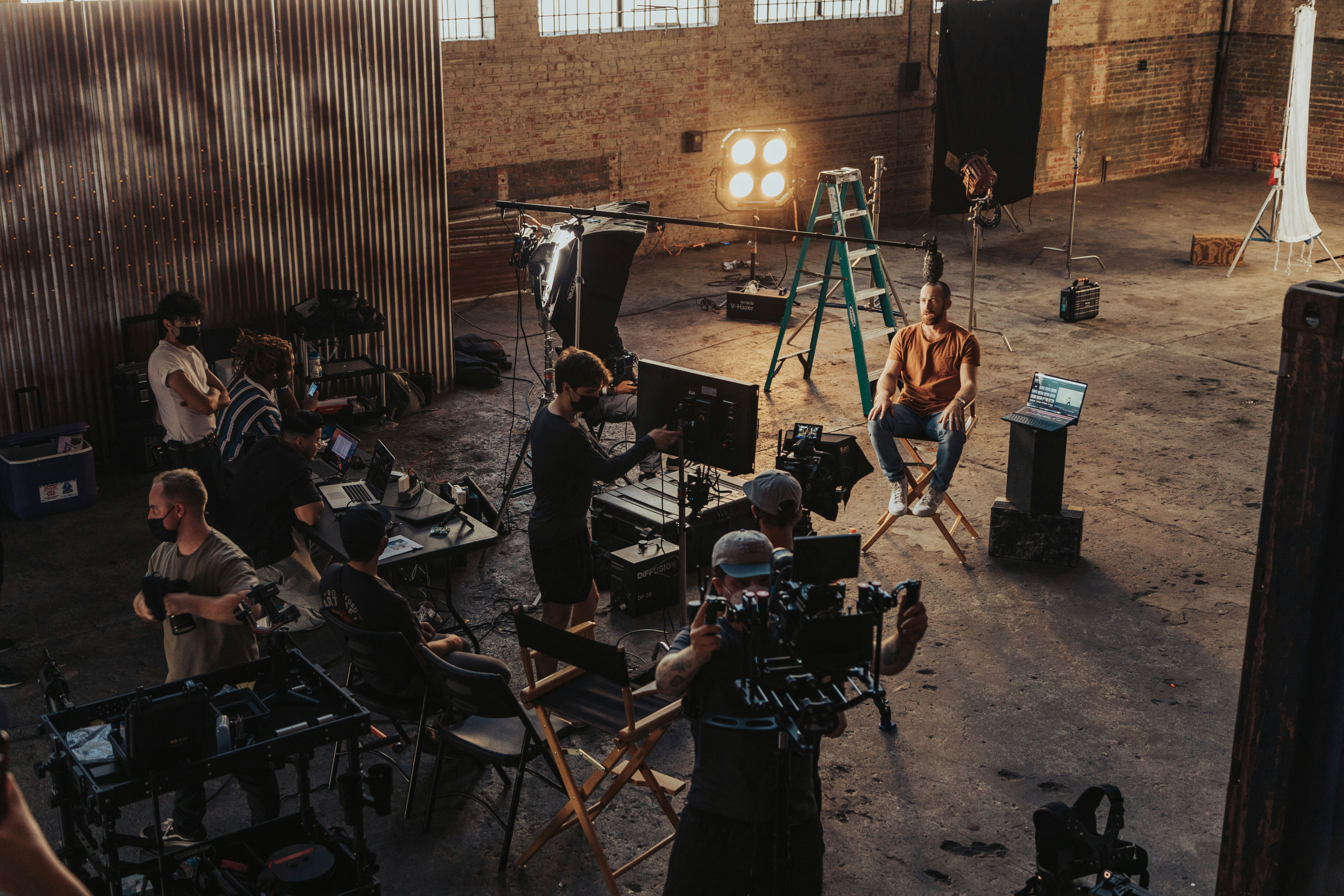
The mistake most productions make is treating BTS as an afterthought. Someone grabs a few photos on set, maybe a short clip here and there, and that becomes the asset library. But those stills end up being a tiny fraction of what you actually need when it comes time to market a film. The real opportunity is in video, and it requires the same level of intentionality as the production itself.
Once a moment is gone — an interview with the makeup artist, a key day on set, a spontaneous conversation between director and cast — it's gone. That's why capturing BTS content properly often requires one or two people dedicated solely to the task. It's a busy environment. Without dedicated attention, it won't happen.
Here are six behind-the-scenes content ideas that do double duty as genuine film marketing.
1. Day-in-the-Life Content
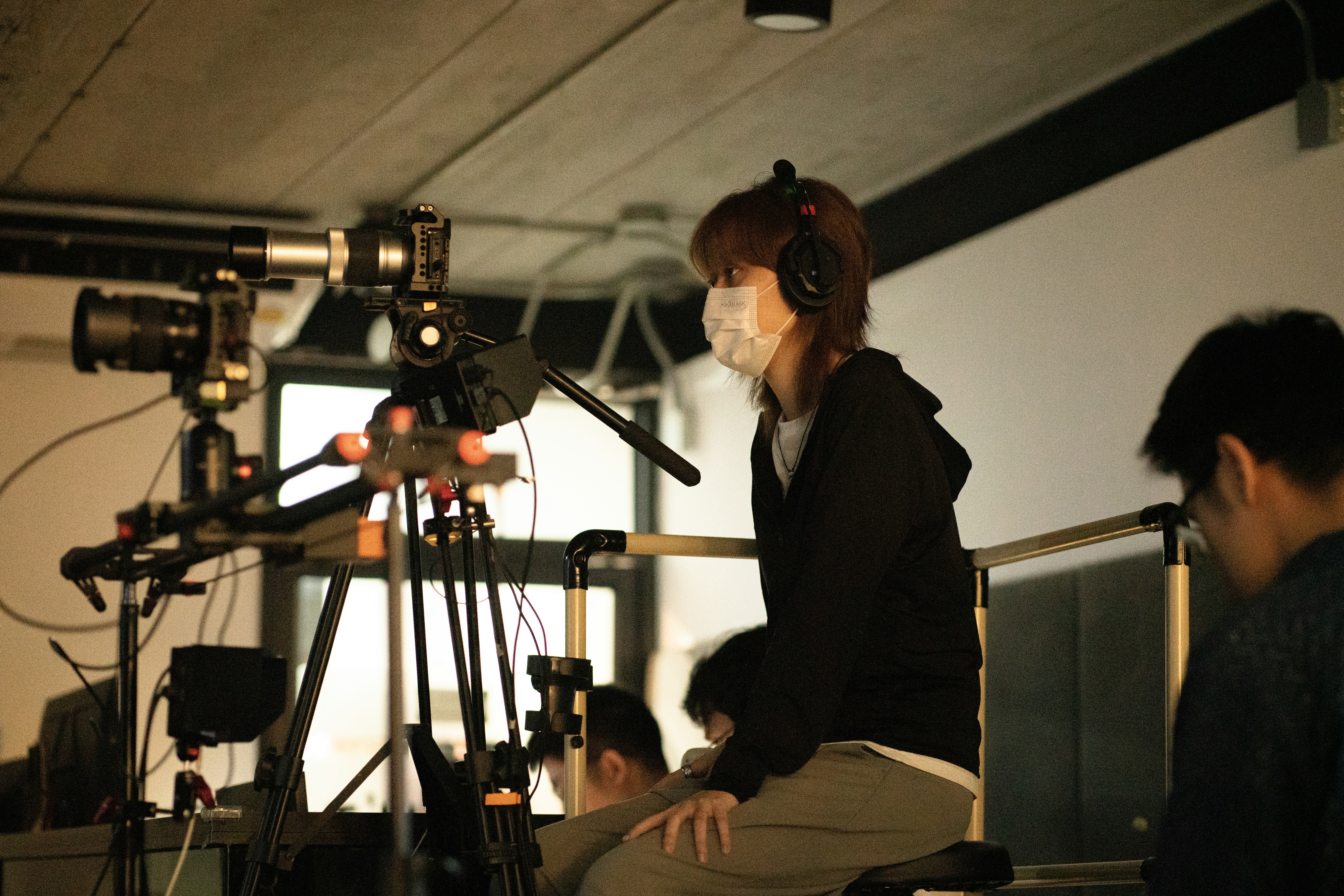
Rather than waiting for exceptional moments, document the everyday. The morning stand-up, the pre-shoot preparation, the informal conversations between departments — these ordinary moments are often more compelling than anything staged.
Audiences don't want polished. They want real. When they see a crew laughing between takes, a director quietly solving a problem, or a team moving through their day with genuine focus, they recognise authenticity. And that recognition builds trust in a way traditional marketing rarely achieves.
Practically, this means identifying recurring moments worth capturing and being consistent about getting them on camera. Rotate through different days and different departments so the content stays fresh and reflects the full scope of the production.
2. Team Member Spotlights
Films are made by people, and audiences invest in people. A spotlight series that features individual crew members — not just the lead actors or director, but the costume designer, the gaffer, the production coordinator — humanises the project in ways that credits never could.
The format works best when it moves beyond job titles. Ask people why they do what they do. Ask about a moment on this production that surprised them. Ask something personal that has nothing to do with the film. These answers create stories, and stories create emotional investment.
Giving equal time to crew across departments also communicates something real about the production's culture — that the work is genuinely collaborative, not just credited that way.
3. The Creative Decision-Making Process
Most finished films look inevitable in retrospect. The costume feels exactly right. The location couldn't have been anything else. The blocking in that scene is perfect.
But none of that was inevitable. It was chosen, refined, and sometimes fought for.
Documenting the decision-making process — the alternatives considered, the approaches abandoned, the reasoning behind final choices — creates content that entertains and educates simultaneously. It builds appreciation for the craft and positions the creative team as thoughtful professionals rather than people who got lucky.
This kind of content performs particularly well with aspiring filmmakers and industry audiences who actively seek process documentation. It also gives future collaborators and distributors a clear sense of how the team works.
4. Sneak Peeks and Pre-Release Documentation
Exclusivity creates engagement. When audiences get access to something not yet available to the general public — a look at a set being built, a glimpse of a costume before it's been officially revealed, a short clip from a day's shoot — they feel like insiders. And insiders talk.
The Barbie movie's 2023 marketing campaign is a useful reference point here. Paparazzi footage of filming in Los Angeles began circulating roughly a year before release, showing Margot Robbie and Ryan Gosling in full costume on Venice Beach. Rather than suppressing it, the studio leaned in. That footage initiated a wave of organic conversation that traditional advertising couldn't have bought.
The lesson isn't that you need a leaked paparazzi moment. It's that authentic footage, released with good timing, generates more genuine audience engagement than polished promotional material. Plan your sneak peeks as part of a deliberate content timeline — not as an afterthought once the trailer is ready.
5. Workplace Culture and Team Dynamics
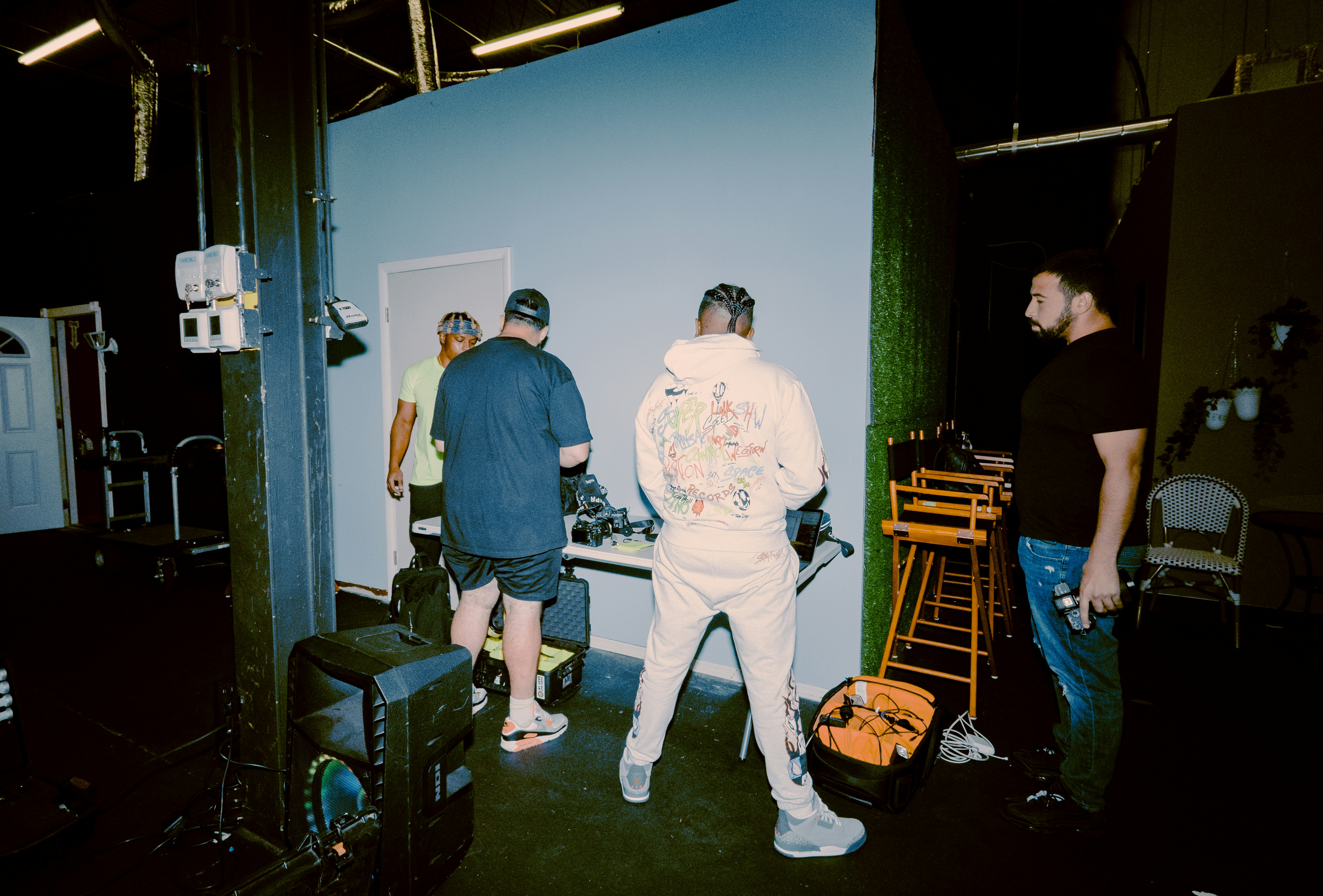
Culture is visible in small moments. How a director responds when something goes wrong on set. Whether senior crew help out other departments when things get tight. How the team reacts when something works unexpectedly well.
These moments, captured authentically, communicate organisational values more effectively than any mission statement. For independent productions especially, demonstrating that your set is one where talented people want to work builds credibility with future collaborators, festival programmers, and distribution partners.
The best culture documentation captures things that would happen whether or not a camera was present. Staged team moments are easy to spot and immediately undermine the trust you're trying to build. Position cameras to observe, then highlight the moments that reveal something real.
6. Audience and Community Involvement
The final frontier of BTS content is extending it outward — inviting your audience into the story rather than just showing it to them.
This might mean documenting early test screening reactions, featuring comments and messages from people following the production, or creating opportunities for your community to engage with decisions (a vote on two possible poster directions, a Q&A with the director during production). When audiences feel like participants rather than spectators, they become advocates.
For independent filmmakers, this is where BTS content connects directly to the goal that matters most: building a community of people who genuinely love your film and want to see it succeed.
The Filmmaker Who Got This Right
Miguel Faus, director of Calladita, ran one of the most effective independent BTS strategies in recent memory. At the end of every shooting day, he recorded a video diary — the highs, the lows, what the day actually looked like. He streamed some of those entries live, which meant he was building marketing momentum and community while the film was still being made.
The film already had an interesting hook: it was one of the first features financed through blockchain and NFTs. But rather than leaning entirely on that angle, Faus made the story of how the film got made into something audiences could follow in real time. By the time the film was finished, there was already a community invested in it.
That's the goal. Not just assets for a press kit, but a story people are already part of before the film is released.
A Note on Planning
If you're heading into production, the most important thing you can take from this is that BTS content needs to be planned before cameras roll on the actual film — not scrambled for during it.
Think about the unique angle or story your production carries. What makes it genuinely interesting beyond the film itself? Build your BTS strategy around that. Find one or two people who own the capture process. Prioritise video over stills.
And if you land a distributor down the line, they will ask what assets you have. You want to have something worth giving them.
This is one area where the effort you put in — without exception — will not be wasted.
Common questions
Why does BTS content boost film marketing? It builds trust and drives shares through authenticity. Audiences engage more with process than with polished promotion.
How often should indie filmmakers post BTS? Weekly during production, ramping to daily near release, adjusted for platform behaviour. TikTok rewards frequency and short form. YouTube rewards depth.
What platforms work best for film BTS? Instagram Reels and TikTok for visuals, X for discussions, YouTube for deeper breakdowns.
Does BTS work for low-budget indies? Yes. Smartphone clips work. Skinamarink proved that. The limiting factor is intentionality, not budget.
How do you measure BTS success? Track engagement rate, shares, reach, and any pre-sales or ticket links. Aim for 5-10% interaction growth per cycle.

