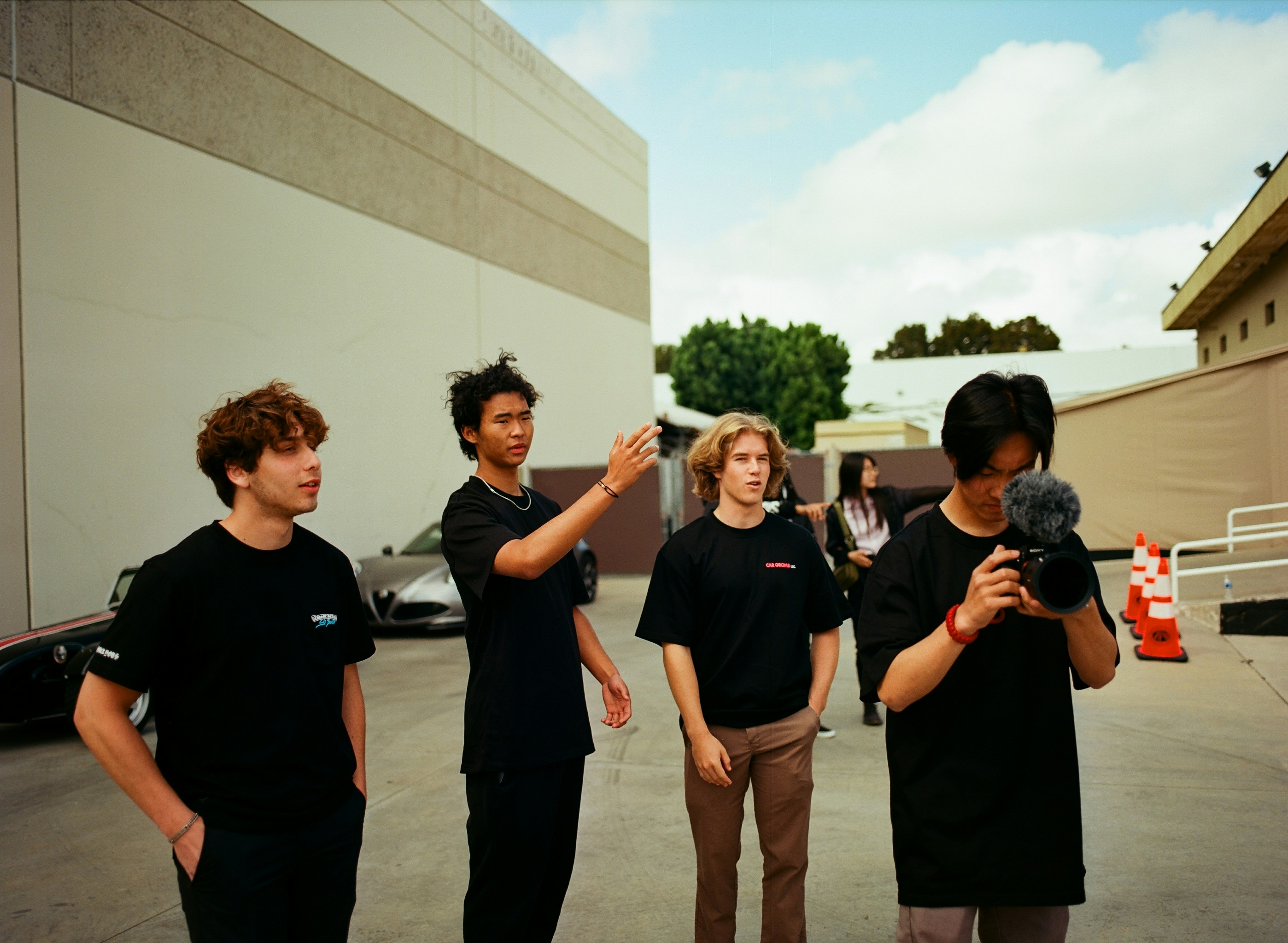
5 Ways to Build a Film Brand Identity Before You Shoot a Single Frame
Most filmmakers make the project first and only later try to figure out who it's for. By then, they've already missed the best window. Brand identity, audience, positioning — these aren't things you bolt on after the edit. They're decisions that shape the whole project.
Look at how large studios operate. They don't start with a story and hope an audience shows up. They look at what people are watching, what genres are trending, what audiences are hungry for, and then they build films around those ideas. Independent filmmakers can take the same approach. The earlier you start thinking about your audience and how your film communicates with them, the clearer and stronger the whole project becomes.
A useful question to ask from day one: what's the story behind the story? In today's crowded media environment, a film needs more than its plot. It needs a broader narrative around it — why it exists and why someone should care about it. That question leads naturally to your audience, your visual language, and your tone. That's where brand identity begins.
1. Define Your Core Promise and Audience
Before logos or posters, decide what your film stands for and who it's for. This becomes the north star for every creative and marketing decision.
Key steps:
Clarify core themes and tone (e.g. "social realist drama about precarious work in London").
Identify a specific primary audience (e.g. gig workers, progressive cinephiles, festival crowds who like Ken Loach-style drama).
Write a one-sentence brand promise: "This film gives [audience] a raw, hopeful story about [theme]."
This kind of thinking comes naturally to genre filmmakers working in horror, thriller, dystopian, or sci-fi spaces. Because they are already operating within a genre, they are tied to a specific audience and aesthetic from the start. You see the results clearly in their pitch decks: a precise sense of who the audience is, why that audience will watch the film, and what visual style or tone connects with them. That clarity makes the whole project stronger. Taking that mindset and applying it to all types of films — not just high-concept genre work — is one of the most practical things any filmmaker can do.
2. Craft a Distinct Visual Identity (Before the Shoot)
You can lock a recognisable visual identity at the concept stage and carry it into storyboards, decks, socials, and eventually the film itself.
Elements to decide early:
Color palette and grading direction (e.g. desaturated blues and greens vs warm Kodak-style tones).
Lighting approach (naturalistic, noir contrast, neon, soft/high-key).
Camera behaviour (handheld intimacy vs composed tripods, slow pushes, or locked-off frames).
Typography and graphic style for pitch decks, socials, teasers, and title treatment.
A consistent visual style also signals professionalism to investors and collaborators. When a filmmaker walks into a pitch with a clear visual language already defined, it shows they understand their audience and how to reach them. That kind of confidence comes from having done the work early.
3. Build Your Story World and Voice Online
Your online presence is often the first frame people see of your film. Starting months or even years before production lets you grow an audience that already feels invested by the time you shoot.
Practical moves:
Create a simple landing page or newsletter with the logline, tone, and concept art.
Open social accounts under the film or filmmaker brand and share development updates, mood boards, and early concept work.
Document the journey: casting calls, location scouts, script milestones, table reads.
Use consistent visuals and language so the feed feels like your film's world.
Most independent films fail because marketing starts too late. The story behind the story — why this film exists, why it matters — is something you can start communicating from the very first day of development.
4. Engage Communities and Build a Micro-Audience
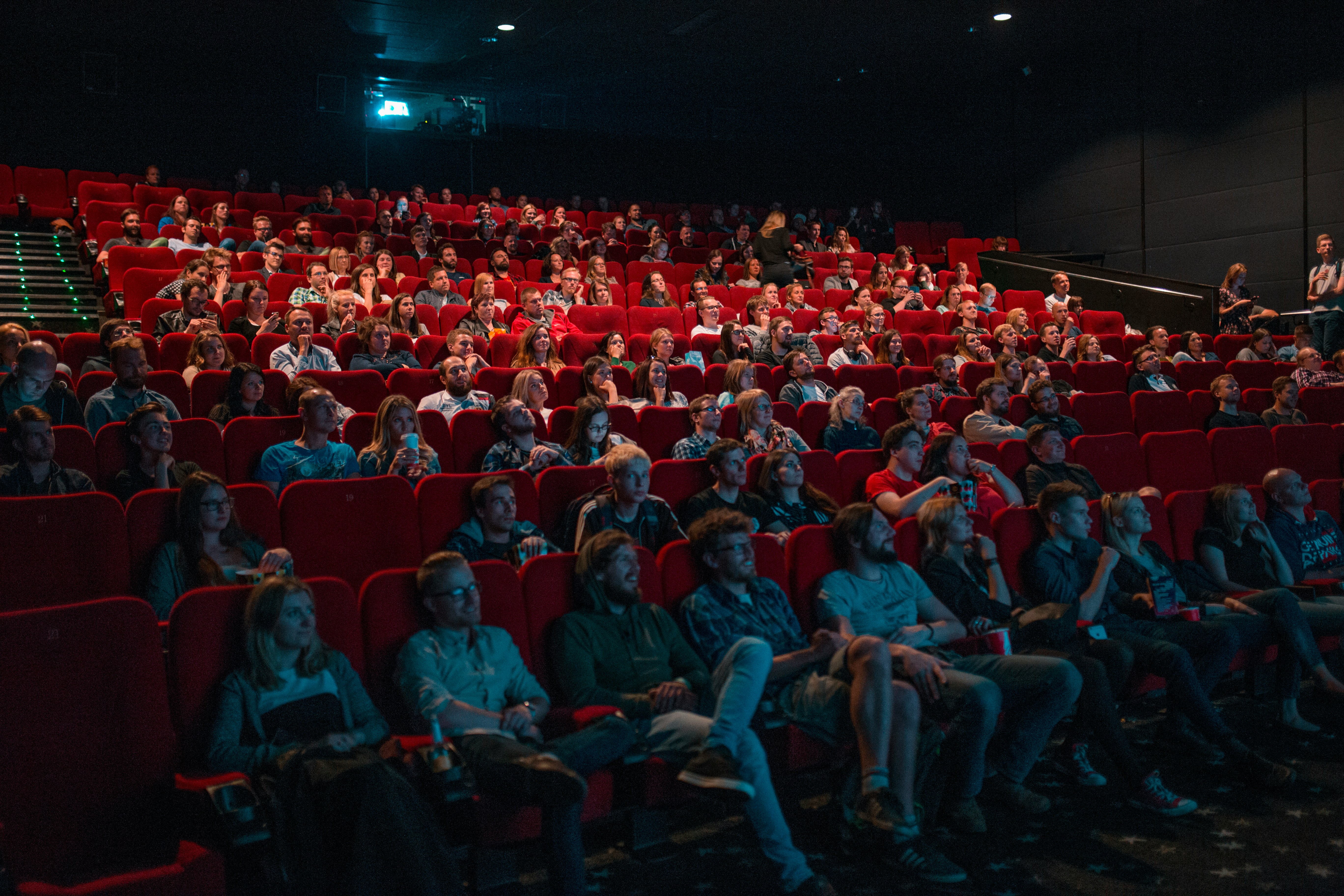
Brand identity isn't just visuals. It's the relationship you build with real people around your film's themes. Starting that relationship before the shoot can shape your script and build word-of-mouth before a single frame is shot.
Actions you can take now:
Join or host discussions in communities that care about your topic (Reddit, Discord, Facebook groups, local meetups).
Share early pages or themes and invite feedback from the target audience.
Build a small insider circle of 20 to 100 people who get rough cuts, updates, and early screenings.
When you ask who would care about this story and why, it stops being a rhetorical question. It points you toward real communities of people already interested in what you are making. Find them early. Bring them inside the process.
5. Design a Simple, Flexible Brand System
Even a micro-budget film benefits from a lightweight but consistent brand system that can flex across posters, pitch decks, press kits, and online content. You don't need a huge style guide. You need repeatable decisions.
Include:
A logo or wordmark for the film and/or your production label.
Rules for color, fonts, and logo use on dark/light backgrounds.
A few key imagery rules (e.g. always show people in motion, avoid glossy stock-image aesthetics).
A short tagline that appears everywhere next to the title.
A practical example of this done well is the Negative Split Films brand identity, built for an independent production company ahead of releasing their first shorts. The focus was on capturing the emotional tone of the films and designing a logo that worked both as a motion logo before films and as a static mark for digital use. The insight driving it: major studio idents are remembered as moving logos, but those designs often don't translate to static, digital formats. Building a system that worked across both gave the company a recognisable identity before they had a large body of work, which helped position them clearly in the minds of collaborators and audiences from the start.
Common Questions

Q: Do I need a brand identity if this is my first short?
A: Yes, but it can be simple. A clear logline, visual tone, audience, and consistent look for your materials are enough to start. Early branding helps your film stand out to festivals, collaborators, and potential viewers even on a minimal budget.
Q: How early should I start?
A: As soon as you have a solid concept, often during development or early scripting. Waiting until the film is finished usually means you've missed the best window to build anticipation and community.
Q: What if my visual style changes once I start shooting?
A: That's normal. Treat your early visual identity as a living draft. As long as you keep core elements consistent — tone, color direction, typography — you can refine details while staying recognisable.
Q: How do I build a brand without a marketing budget?
A: Focus on organic tactics. Consistent visuals, authentic behind-the-scenes content, and direct engagement in relevant communities cost time, not money, and often outperform paid ads for micro-budget films.
Q: Should I brand the film or myself as a director?
A: Ideally both, with different scopes. The film brand is specific to this project. Your director or company brand carries across your whole body of work. A strong company identity helps when pitching multiple films over time.

