
5 Reasons to Submit to B-List Festivals Before You Chase the Big Names
5 Reasons to Submit to B-List Festivals Before You Chase the Big Names
Start with honesty. Be honest about the film you've made, and be honest about where you are in your career. It's fine to have big ambitions, but if you're sitting on a low-budget short with no recognisable cast, the reality is you're unlikely to get into top-tier festivals. There's always a slim chance, but building your whole strategy around that sets you up for disappointment. A more practical move is to save your submission fees, be selective, and target smaller, niche festivals that actually fit your film and your current level.
Your cursor might be hovering over that Sundance or Cannes submit button. The dream is real, but so are the odds. Sundance receives over 13,000 submissions and only programmes around 120 features and 60 shorts. That doesn't mean you shouldn't aim high. It means you should be strategic.
Before you spend your budget on the A-list, there's a smarter play: build momentum at well-curated B-list and regional festivals. These are often the places where careers are actually built, not just celebrated.
1. Better odds, real laurels, faster momentum
Big festivals are brutally competitive and heavily gate-kept. Smaller festivals are still competitive, but they give you far better odds of actually getting on a screen.
There are thousands of smaller festivals worldwide that are more accessible and genuinely useful for up-and-coming filmmakers. Independent and regional festivals have become strong hubs where creative talent can come to flourish, particularly in the UK. Some strategists even suggest prioritising regional festivals as part of budget optimisation because they offer better chances of selection and more meaningful engagement.
This is what playing the festival circuit properly looks like in practice. Working with Festival Formula, you see it consistently: early momentum matters. A few solid B-list acceptances give you something to post, something to email, and something to put in the subject line when you approach sales agents or publicists. More than that, they give your film a track record. When you eventually submit to larger festivals, you're not just another unknown. You're a film that's already performing.
That progression can be planned. Start with niche or regional festivals, build traction locally, then use that momentum to step into more competitive, international spaces.
2. Easier wins, awards that actually move the needle
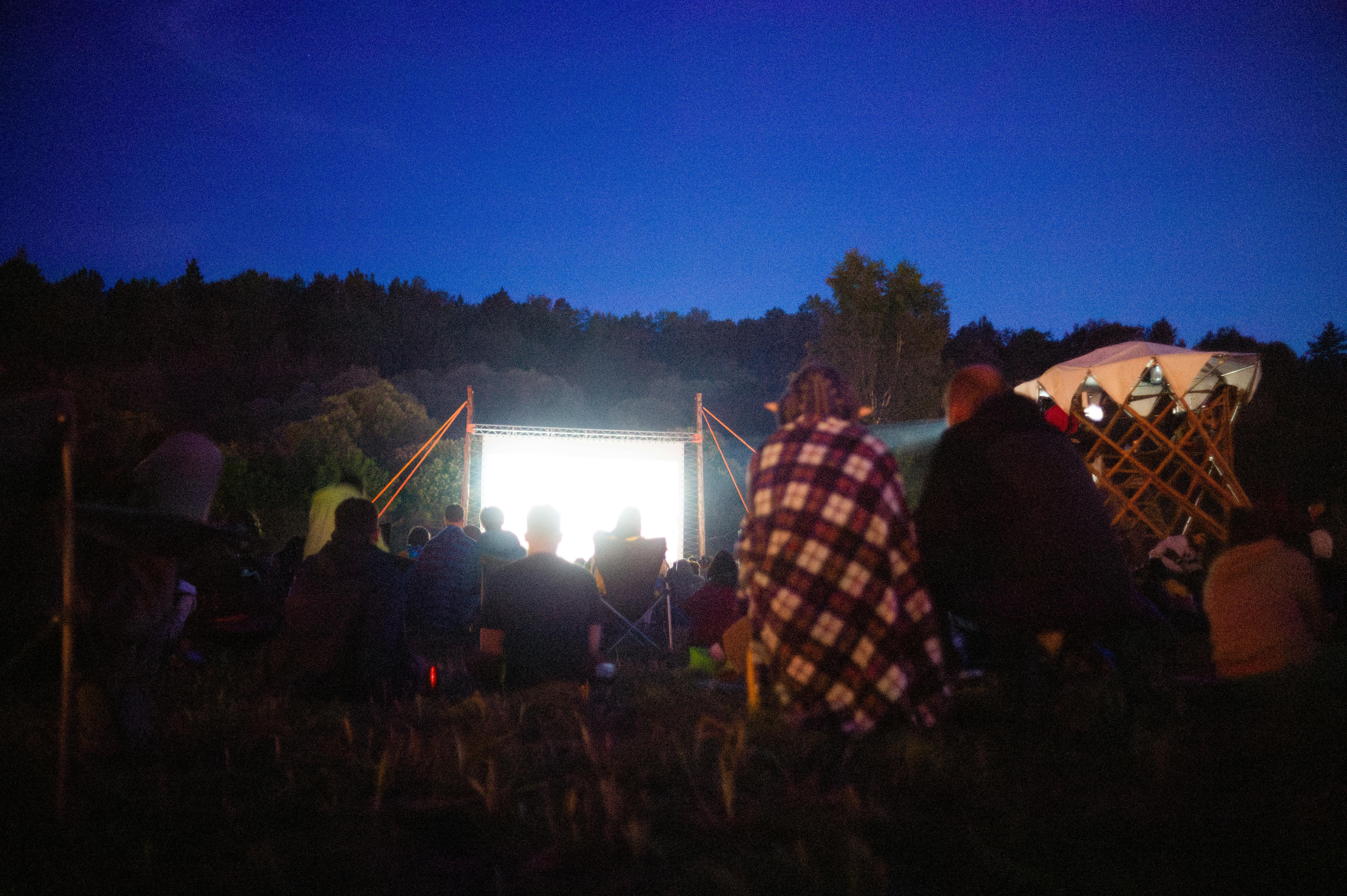
At a huge A-list event, your unknown short is competing for oxygen against star-driven premieres. At a good B-list festival, your film can actually be seen, remembered, and awarded.
Smaller festivals often make it easier to win awards, and those prizes can sometimes include grant money or resources for your next project. Awards and laurels still matter: they elevate your bio, help with future festival submissions, and can make programmers want to see you continue.
Curators and consultants note that festivals, especially outside the A-list, are a launchpad for meeting collaborators, celebrating your work, and even getting distribution. Those "Best Short," "Audience Award" or niche category prizes from B-list festivals are precisely the kind of proof-of-concept that can make a programmer at a bigger festival take a second look next time.
3. Deeper relationships and real networking
The most useful asset you can leave a festival with is not a laurel. It's a relationship. Smaller festivals are simply better set up for that.
Smaller festivals offer real relationships with programmers, other filmmakers, and future collaborators, rather than the noise and celebrity focus of the majors. Film industry guides stress that festivals are vital for exposure, networking, and distribution opportunities, particularly for indie filmmakers.
This is also where you learn how the ecosystem works. Especially early in your career, smaller festivals are where you attend, meet people, understand the dynamics, and build relationships. Those festivals often lean heavily into networking because that's their strength. In a B-list environment, programmers have the time to watch your Q&A, talk in the bar afterwards, and remember your work when your next film comes along.
If you ignore B-list festivals and only chase the big names, you don't just risk rejection. You miss the opportunity to use the festival circuit properly.
4. Safer space to learn, refine, and build a festival-ready profile
Starting on the B-list gives you room to experiment with how you present and talk about your film, without burning premiere status at the very top tier.
Strategic guides advise filmmakers to define their goals and budgets, then carefully target festivals that match their film's tone, genre, and audience. You can refine your logline, synopsis, and marketing materials based on real festival reactions before going after prestige-heavy premiere slots.
Experienced festival coaches point out that prior festival success can improve your chances when you later submit to more selective events. Think of B-list festivals as your live beta test: you're road-testing the film, your pitch, your Q&A presence, and your poster and trailer package in front of real audiences and industry people.
5. Niche audiences, press, and distribution opportunities
Some of the most effective discovery happens in niche or mid-level festivals where your film is a better fit than at a sprawling A-list event.
Many small festivals are genre-specific, identity-focused, or theme-driven, so they bring together audiences and professionals who already care about your subject. Industry commentators note that small festivals give a spotlight without the noise, and attract distributors and press who are actively looking for under-the-radar films rather than red-carpet headlines.
If your film hits hard with a specific subculture, whether that's horror fans, dance communities, queer audiences, or regional identities, B-list and niche festivals are where

buzz actually starts.
Real-world example: B-Girl
A useful case is the hip-hop dance film B-Girl, which used niche and mid-level festivals as a core part of its path. The film played roughly 35 festivals, with around half of those directly soliciting the film once word-of-mouth spread. It performed especially well at women's and hip-hop festivals, which together accounted for about 60% of its entire festival run.
A distribution company, OddLot Entertainment, worked with the filmmakers on US rights, re-cut trailers, and created new posters, using the festival momentum to position the film for the Cannes market and a wider DVD and screening tour. B-Girl didn't start at Sundance. It gained traction where its natural audience lived, then leveraged that proof into wider opportunities.
Common questions
Won't premiering at smaller festivals hurt my chances at big ones?
It depends on premiere rules, but for most shorts and many features, a carefully planned early run at smaller festivals won't harm you, and may help. Some top-tier festivals require certain premiere statuses, so understand their policies before locking in early screenings. If you're targeting one or two very premiere-sensitive A-list festivals, submit there first while simultaneously planning a second wave of B-list submissions for after those decisions land.
How do I choose the right B-list festivals?
Start with your goals, then match festivals to your film's genre, tone, audience, and your realistic travel and marketing budget. Look for festivals that are known hubs for indie work in your region and genre. Read past line-ups, check if they screen films that feel like cousins to yours, and prioritise festivals where you can either attend or meaningfully engage with their audience online.
Are film festivals even worth it for low-budget filmmakers?
Yes, if you treat them as a strategic investment rather than a vanity expense. The key is to be selective, use early-bird deadlines, and focus on festivals that clearly serve your audience and goals rather than submitting everywhere.
How many B-list festivals should I submit to before I go for the big names?
There's no magic number, but many filmmakers benefit from a phased approach: a few targeted reach festivals, plus a core of 10 to 20 carefully chosen B-list and regional events. It's often smarter to build a strong, sustainable run across festivals that actually want your film than to blow most of your budget on A-list long shots. Track your results, then reallocate budget towards the kinds of festivals that are saying yes.
There's also no one-size-fits-all answer here, which is why festival strategy is something people specialise in and pay for. What works for one film won't work for another.
Can success at B-list festivals lead to distribution?
Yes, especially if those festivals serve a specific niche or regional audience that distributors care about. Festivals help sell the name of your film and raise its market profile, bringing it to the attention of professionals looking for promising projects. A strong festival run can attract distributors who then repackage and sell the film at markets like Cannes. Distribution isn't guaranteed, but B-list festivals absolutely play a role in getting your film in front of the right buyers.

