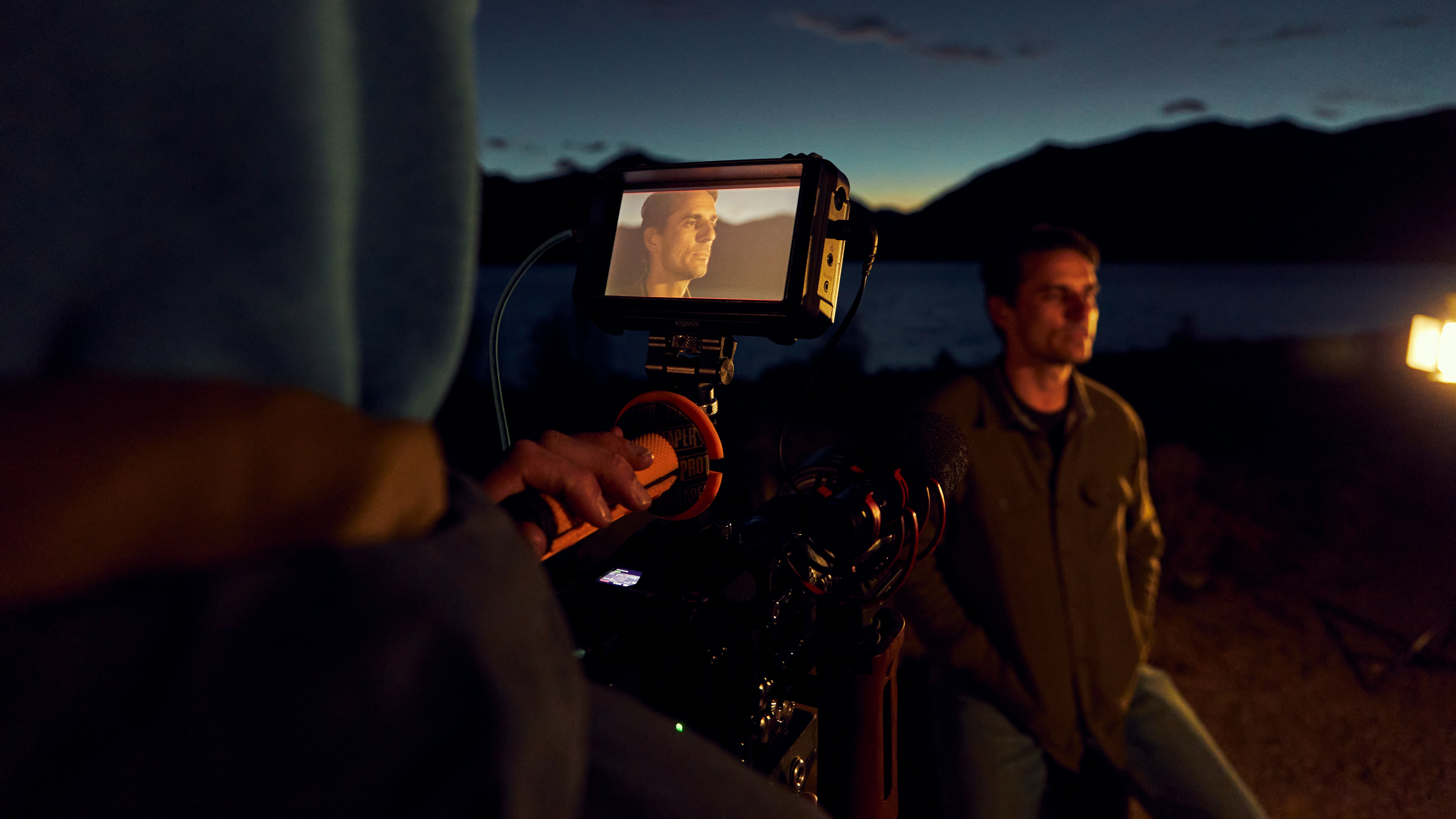
10 SEO Tips to Boost Your Film’s Online Visibility
In today's digital age, simply making a great film isn't enough. Your audience needs to find it online. I've seen this reality play out countless times: filmmakers pour everything into their project, only to watch it vanish into the digital void because no one can actually find it when they search.
Here's what I mean. I've met filmmakers who don't even show up online. I'll search for their film, add "film" after the title, and still find nothing: no site, no socials, nothing. When I ask about SEO, they usually just say, "What's that?" That's when it really hits me how much visibility they're missing out on.
The good news? SEO works, and you don't need to be an expert to see results. Even a basic understanding of what SEO does and how to apply it when publishing online content can make a huge difference. The real goal is simple: when someone types in your film's name, you want every result on that first Google page to connect directly to your project. Your website, your Instagram, your ticket links, your trailer. That's how you control your online footprint.
This becomes even more critical when your film has a generic title like "Family Vacation." Without proper SEO, your project gets buried under vacation rental listings and travel blogs. Here are 10 proven strategies to make sure your film actually exists online in the eyes of your audience.
1. Conduct In-Depth Keyword Research
Start by using tools like Google Keyword Planner, SEMrush, or Ahrefs to identify keywords your target audience is searching for. Focus on both broad terms (e.g., "independent films") and long-tail phrases (e.g., "best indie horror films 2024"). Analyze search volume, competition, and user intent to select keywords that are relevant and achievable for your film's niche.
2. Optimize Your Film's Website

Integrate your chosen keywords naturally into your website's meta titles, descriptions, headers (H1, H2), and throughout your content. Avoid keyword stuffing. Aim for a keyword density of 1–2%. Ensure your site is mobile-friendly and loads quickly, as these factors also impact SEO rankings.
On projects where I've implemented SEO properly, within just a few weeks filmmakers can search their title and find it ranking near the top. It's one of those rare things in filmmaking where you can actually see immediate, measurable results.
3. Use Local Keywords
Include location-based keywords to attract local audiences. For example, "film screenings in Manchester" or "London independent film festival." Create dedicated landing pages for different cities or regions if your film is being shown in multiple locations.
4. Optimize Video Titles and Descriptions
When uploading trailers or interviews to platforms like YouTube, use SEO-friendly titles and detailed descriptions. Include relevant keywords, release dates, cast names, and a brief synopsis. Add timestamps for key scenes to improve user experience and engagement.
5. Create Engaging Thumbnails
Design visually striking thumbnails that accurately represent your film's content. Use high-quality images, bold text, and vibrant colors to grab attention. Thumbnails can significantly increase click-through rates on video platforms.
6. Use Schema Markup
Implement Schema.org markup (such as VideoObject or LocalBusiness) on your website. This helps search engines display rich snippets, such as video previews or event details, directly in search results, improving click-through rates.
7. Add Alt Text to Images and Videos

Include descriptive alt text for all images and videos on your site. This not only improves accessibility for visually impaired users but also helps search engines index your content more effectively.
8. Regularly Update Your Content
Keep your website fresh with new blog posts, behind-the-scenes content, cast interviews, and updates about screenings or awards. Regular updates signal to search engines that your site is active and relevant, which can boost your rankings.
9. Monitor Analytics
Use Google Analytics and Google Search Console to track visitor behavior, traffic sources, and keyword performance. Analyze this data to refine your SEO strategy and improve user experience over time.
10. Build Backlinks
Encourage reputable websites, film blogs, and industry directories to link to your film's website. Backlinks from trusted sources increase your site's authority and improve search rankings. Reach out to film schools, creative agencies, and trade directories for link-building opportunities.
Real-World Example: "Parasite" (2019)
The film "Parasite" used targeted SEO strategies to reach a global audience. By optimizing its website and press releases with keywords like "foreign films" and "award-winning," the film appeared in top search results and gained significant organic reach. This SEO-driven approach helped "Parasite" attract international viewers and contributed to its historic success at the Oscars.
Getting Started: You Don't Need to Be an Expert
For filmmakers who think SEO is too technical, I get it. It can sound geeky. But it's not hard to get help. Either find someone who enjoys the technical side, or use tools like Google or ChatGPT to guide you. You can literally type, "I've got a new film called X, here's the release date and assets. What are the top five things I can do to improve SEO?" Then just follow what it tells you.
It's one of the simplest, most overlooked ways to make sure your film actually exists online.
Frequently Asked Questions
Q: Why is SEO important for filmmakers?
SEO helps your film's website and content appear higher in search results, making it easier for your target audience to discover your work.
Q: How do I choose the right keywords for my film?
Use keyword research tools to identify phrases your audience is searching for. Focus on long-tail keywords that are specific to your film's genre, theme, or location.
Q: Can I use SEO for social media promotion?
Yes, SEO principles can be applied to social media by using relevant hashtags, optimizing post descriptions, and sharing content that encourages engagement and shares.
Q: How often should I update my film's website?
Regular updates, such as new blog posts, behind-the-scenes content, or news about screenings, help keep your site fresh and improve SEO rankings.
Q: What is Schema markup, and why should I use it?
Schema markup is code that helps search engines understand your content. For filmmakers, it can make your videos eligible for enhanced search results, such as video previews.

